6 Common Causes of Poor Engine Performance and How to Fix Them

When your engine doesn’t feel as responsive as it used to, it’s more than just an inconvenience—it can affect fuel economy, reliability, and long-term repair costs. Rough idling, sluggish acceleration, and increased exhaust smoke are all common signs that something isn’t quite right under the bonnet. The good news is that most performance issues stem from a handful of familiar causes that can be identified and addressed with a systematic approach.
In this guide, we’ll walk through five of the most common causes of poor engine performance and explain, in clear terms, how you can diagnose and fix them. Whether you’re a DIY enthusiast or simply want to understand what your mechanic is talking about, this article will help you make informed decisions and keep your engine running smoothly.
1. Fuel System Contamination and Poor Fuel Delivery
One of the most frequent reasons for poor performance is a fuel system that’s clogged or contaminated. Modern engines rely on precise fuel delivery, and even minor blockages can disrupt that balance. Dirt, water, and deposits can build up in the tank, lines, filters, and injectors, restricting flow and reducing the quality of atomisation inside the combustion chamber. Over time, this leads to misfires, rough idling, hard starting, and a noticeable drop in power.
To fix fuel delivery issues, start with the basics: inspect and replace the fuel filter at the recommended intervals, and pay attention to any warning signs like hesitation under acceleration or unusual engine noise. Professional cleaning of the fuel system or using a high-quality additive, such as forte injector cleaner diesel, can help dissolve internal deposits and restore smoother operation. For severe problems, a technician may need to remove and test individual injectors to ensure they are delivering the correct amount of fuel and have the proper spray pattern.
2. Ignition System Problems and Worn Spark Components
On petrol engines, the ignition system plays a critical role in ensuring efficient combustion. Worn spark plugs, degraded ignition coils, and damaged leads can cause weak or inconsistent sparks. When the spark isn’t strong enough, the air–fuel mixture doesn’t burn completely, resulting in loss of power, higher emissions, and increased fuel consumption. You might feel this as a stumble under load, lack of response when overtaking, or a persistent misfire at certain engine speeds.
Fixing ignition-related issues often begins with a thorough visual inspection. Remove the spark plugs and check for fouling, excessive wear on the electrodes, or incorrect gaps. Replacing old plugs with quality, correctly gapped units can immediately improve engine smoothness and throttle response. If problems persist, the ignition coils and leads should be tested using appropriate diagnostic tools to confirm they are delivering stable voltage. Addressing ignition system weaknesses early can prevent damage to catalytic converters and other downstream components.
3. Air Intake Restrictions and Dirty Filters
Engines need a consistent supply of clean, unrestricted air to perform at their best. The air intake system, including the air filter, intake ducting, and sometimes a mass airflow sensor, ensures the right quantity of air reaches the combustion chambers. When the air filter becomes clogged with dust, debris, and oil vapour, it restricts airflow, forcing the engine to work harder to draw in the oxygen it needs. This restriction can cause sluggish acceleration, increased fuel use, and an overall “choked” feeling during driving.

The simplest fix here is regular air filter maintenance. Inspect the filter element and replace it if it appears dark, clogged, or damaged. In dusty environments or stop‑start driving conditions, changing the filter more frequently than the bare minimum can make a noticeable difference in performance. Additionally, check the intake ducting for cracks, loose connections, or collapsed sections that might disturb airflow. If your vehicle uses a mass airflow sensor, gentle cleaning with the correct product can help restore accurate readings and ensure the engine management system delivers the right fuel mixture.
4. Exhaust System Blockages and EGR Issues
The exhaust system doesn’t just expel gases; it forms part of a carefully balanced flow that affects how efficiently the engine breathes. Blocked catalytic converters, damaged mufflers, and restricted diesel particulate filters (DPFs) can all create back pressure. Excessive back pressure can make the engine feel heavy and reluctant to rev, as spent gases struggle to exit the cylinders. On many modern engines, the exhaust gas recirculation (EGR) system can also become clogged with carbon, further reducing performance and potentially causing rough running.
Solving exhaust-related problems usually begins with diagnosis. Listen for unusual rattles, whistling, or hissing noises that may indicate leaks or internal damage. If the vehicle struggles to reach higher revs or dashboard warning lights appear, a technician can use diagnostic tools to check DPF loading, EGR valve operation, and exhaust back pressure. In some cases, cleaning the EGR valve or performing a regeneration of the DPF can restore normal performance. Where components are heavily damaged or blocked, replacement may be necessary to protect the engine and meet emissions standards.
5. Sensor Faults and Engine Management Issues
Modern engines rely on a network of sensors to monitor operating conditions and adjust fuel delivery, timing, and boost levels. Key sensors include the oxygen (lambda) sensor, coolant temperature sensor, crankshaft and camshaft position sensors, and intake air sensors. When any of these start to fail or give inaccurate readings, the engine control unit (ECU) may adopt a protective “limp” mode or default to conservative settings, leading to poor performance, reduced fuel economy, and sometimes unstable idling.
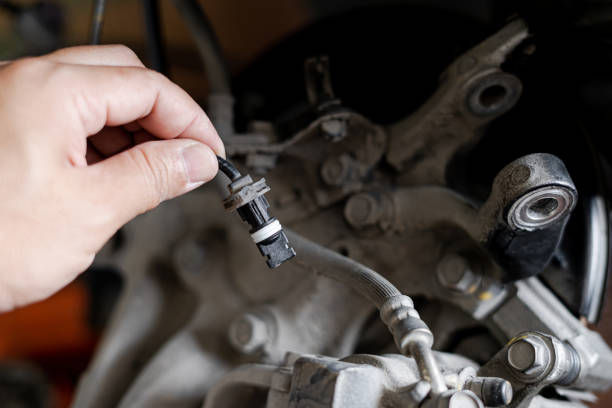
To fix sensor‑related issues, a structured diagnostic approach is essential. Using an appropriate scan tool, a technician can read fault codes and live data from the ECU, identifying sensors that are out of range or behaving inconsistently. Sometimes, a simple wiring repair or connector cleaning resolves intermittent faults. In other cases, a sensor replacement is required to restore accurate feedback. Keeping the cooling system, battery, and electrical grounds in good condition also helps prevent false readings and ensures that the ECU can control the engine effectively over the long term.
6. Lack of Regular Maintenance and Poor Driving Habits
Even the best‑designed engines will suffer if they are neglected. Skipping oil changes, ignoring minor leaks, and using low‑quality fluids all contribute to internal wear and reduced performance. Old oil loses its lubricating properties and can allow friction and heat to build up, while dirty filters and neglected belts or chains can compound the strain on the engine. Over time, this neglect can turn a mild performance issue into a costly mechanical failure.
Driving style plays a role as well. Frequent short trips that don’t allow the engine to reach operating temperature can promote carbon buildup, particularly in diesel engines and vehicles equipped with DPFs. Aggressive acceleration, abrupt braking, and over‑revving can also accelerate wear. To prevent performance decline, follow the manufacturer’s maintenance schedule, use fluids that meet the recommended specifications, and adopt a smooth, consistent driving style. Occasional longer journeys at steady speeds can help the engine clear deposits and maintain efficiency.
Conclusion:
Poor engine performance rarely happens overnight. It usually builds up due to a combination of fuel system issues, ignition problems, restricted airflow, exhaust blockages, sensor faults, and general neglect. By understanding these common causes and addressing them methodically, you can often restore much of your engine’s original responsiveness, improve fuel economy, and reduce the risk of major breakdowns.
Start with basic checks like filters, fluids, and spark components, then move on to more detailed diagnostics if problems persist. Partnering with a trusted technician and maintaining a regular service routine will keep your engine running at its best, mile after mile. With a bit of attention and timely care, you can turn a tired, underperforming engine back into a smooth, reliable powerplant.
Comments