Vision Problems in Aging Adults and Their Solutions

Aging brings many welcome changes, such as wisdom, experience, and perspective, but it can also introduce challenges that affect day-to-day independence. Vision is one of the most important senses for maintaining mobility, confidence, and social connection, yet it commonly declines with age due to natural changes in the eye and the increased risk of chronic conditions. The good news is that many age-related vision problems are preventable, detectable early, and highly treatable with today’s clinical and surgical options. Understanding what changes are normal, what symptoms require prompt attention, and which solutions are most effective can help older adults protect their sight and quality of life.

Aging Eyes Develop Predictable Vision Shifts
As the eyes age, the lens becomes less flexible, pupils may respond more slowly to light changes, and the tear film can become less stable. These changes often lead to difficulty reading small print, needing brighter light for tasks, more glare sensitivity at night, and occasional dryness or irritation. While such shifts are common, they still deserve professional assessment because similar symptoms may overlap with more serious eye diseases. Using appropriate reading glasses, improving lighting at home, limiting nighttime driving when glare is severe, and using preservative-free lubricating drops can offer meaningful relief.
Cataracts Commonly Reduce Daily Visual Clarity
Cataracts occur when the natural lens becomes cloudy, causing blurred or dim vision, glare from headlights, faded colors, and frequent changes in glasses prescription. They develop gradually, and many older adults adjust unknowingly until daily activities become difficult. If you are evaluating surgery options, speaking with a cataract surgeon in Vadodara or a trusted specialist in your area can help clarify lens choices, expected outcomes, and the overall safety of vision correction methods within modern cataract care. Early-stage cataracts may be managed with updated spectacles and stronger lighting, but when vision impairment affects driving, reading, or safety, cataract surgery is a highly effective solution.
Glaucoma Progresses Silently Without Early Symptoms
Glaucoma damages the optic nerve, often without noticeable symptoms until significant vision is lost. It typically affects peripheral vision first, which is why routine screening is essential, especially for people with elevated eye pressure, diabetes, a family history of glaucoma, or higher inherited risk. Consistent medication use is critical because missed doses can allow damage to continue. Since glaucoma-related vision loss is irreversible, early detection and long-term adherence to therapy are the most effective protections.
Diabetes Increases Retinal Damage Over Time
Diabetes can damage retinal blood vessels, leading to diabetic retinopathy and diabetic macular edema, which are major causes of vision loss in older adults. Early disease may not affect vision, so damage can advance without a clear warning. Tight blood sugar control, blood pressure management, and lipid control reduce risk, but eye-specific treatments may still be required. Laser therapy, injectable medications, and occasionally surgery can treat complications and preserve vision. Coordinated care between primary physicians and eye specialists improves outcomes and reduces the risk of sudden, preventable vision loss.
Dry Eye Causes Ongoing Irritation Problems
Dry eye tends to increase with age due to changes in tear production and eyelid function, and it may be worsened by medications, autoimmune conditions, or prolonged screen use. Symptoms include burning, grittiness, watery eyes, fluctuating clarity, and light sensitivity. Practical solutions include regular use of lubricating drops, warm compresses, eyelid hygiene, optimizing indoor humidity, and reviewing medications with a clinician. For more persistent cases, prescription anti-inflammatory drops, punctal plugs, or in-office procedures may be recommended.
Surgical Care Restores Vision In Many
For some conditions, surgical or procedural treatment offers the most dependable improvement in function and safety. Consultation with a cataract surgeon in Vadodara may be part of that journey for individuals seeking specialized care, lens customization, or guidance on coexisting eye issues. Understanding the safety of advanced vision correction methods is also important when considering these options. Equally important is choosing a reputable clinical team that evaluates overall eye health, explains realistic expectations, and provides structured follow-up, because outcomes depend on timing, precision, and ongoing monitoring.
Prevention Protects Sight Through Regular Care
Healthy vision in later life is not only about treatment, but it is also about prevention and consistency. UV-protective sunglasses, a nutrient-rich diet, smoking cessation, regular physical activity, and good control of chronic conditions all support eye health. Most importantly, the importance of routine eye checkups cannot be overstated, because many sight-threatening diseases develop without early symptoms. Older adults should also review medication side effects that may contribute to dryness or visual fluctuations, address home fall hazards with better lighting and contrast, and seek care quickly for warning signs like sudden vision loss, flashes, new floaters, or eye pain.
Presbyopia Makes Near Work More Difficult
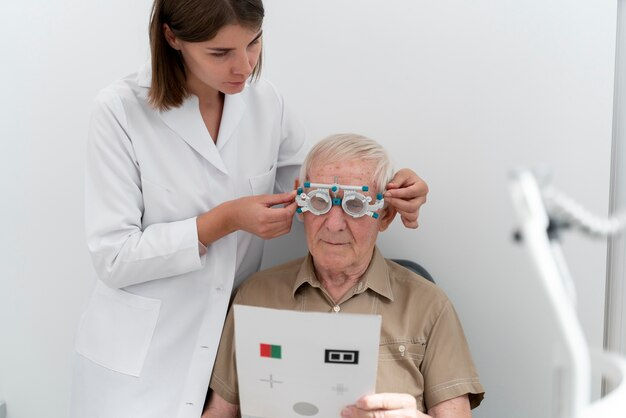
Presbyopia is the age-related loss of near focusing ability, typically becoming noticeable after the early-to-mid 40s and gradually progressing over time. As this change develops, everyday tasks like reading fine print, checking labels, or using digital devices can become frustrating, and prolonged close work may lead to eye strain, fatigue, or headaches. Managing these challenges often begins with simple, effective solutions such as reading glasses, bifocals, progressive lenses, or contact lens options like monovision for suitable individuals. Equally important is adopting supportive habits, seek first to understand others by recognizing how visual needs evolve with age and adjusting environments accordingly, such as improving lighting, increasing screen contrast, and enlarging text to reduce strain.
Conclusion
Vision problems in aging adults are common, but they are not something to accept passively. From cataracts and glaucoma to AMD, diabetic retinopathy, and dry eye, most conditions have proven solutions that can protect sight and preserve independence, especially when addressed early. With attentive screening, healthy habits, and timely medical or surgical intervention, older adults can maintain functional vision for reading, driving, and daily living. The most effective plan is proactive: recognize symptoms, schedule regular eye evaluations, and work with qualified professionals to choose the right corrective, medical, or procedural approach for each stage of life.


Comments